

Gum Disease Treatment in Munster, IN
Our team has helped patients stop gum disease early for more than 40 years.
Gum Disease Treatment Protects Your Teeth and Bone
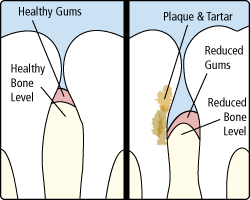
Gum disease treatment removes harmful bacteria from below the gumline, stops bone and tissue loss, and restores a healthy foundation for your teeth. Without treatment, gum disease advances from mild gingivitis to periodontitis, a leading cause of adult tooth loss. Early intervention is critical to preserving your smile for life.
Understanding
Gum Disease
Gum disease, also known as periodontal disease, is an infection of the gums surrounding your teeth. It typically begins as
gingivitis, a mild inflammation caused by bacterial plaque buildup along and below the gumline. If untreated, gingivitis advances to
periodontitis, where bacteria destroy the bone and connective tissue anchoring your teeth.
Common Warning Signs
- Gums that bleed easily during brushing or flossing
- Red, swollen, or tender gums
- Gum recession or pulled-away gums
- Persistent bad breath or unpleasant taste
- Pus between teeth and gums
- Loose or separating teeth
- Changes in bite or fit of partial dentures
Many patients delay treatment since early gum disease often has little to no pain, but ignoring symptoms risks serious irreversible damage.
Causes and
Risk Factors
Gum disease is caused by plaque accumulation—a sticky biofilm of bacteria on teeth. If plaque isn’t removed through proper oral hygiene, toxins build up, causing infection and inflammation beneath the gumline.
Certain factors increase your risk of developing gum disease, including:
- Smoking or chewing tobacco
- Diabetes
- Medications such as steroids, anti-epilepsy drugs, cancer therapies, calcium channel blockers, oral contraceptives
- Poorly fitting dental bridges
- Crooked teeth or old fillings
- Pregnancy
How We Treat Gum Disease at Our Practice
Treatment is tailored to the stage and severity of the disease. Most patients complete active treatment within two to four appointments, followed by a maintenance recall schedule for ongoing management.
Step 1: Comprehensive Periodontal Assessment
We conduct detailed periodontal probing and digital X-rays to measure pocket depths, identify bone loss, and assess gum recession. This evaluation guides personalized treatment planning.
Step 2: Scaling and Root Planing
For periodontitis, we perform a deep cleaning under local anesthesia that removes bacterial deposits and calculus below the gumline. Root surfaces are smoothed to hinder bacterial reattachment.
Step 3: Antibiotic Therapy
When infection is moderate to severe, local or oral antibiotics may be prescribed to eliminate bacteria and reduce inflammation post-cleaning.
Step 4: Maintenance Recall Schedule
Following active treatment, patients return every 3 to 4 months instead of the normal 6-month interval. These visits help prevent re-infection by monitoring pocket depths and removing new plaque deposits.
Additional Treatments for Gum Disease
- Non-surgical treatments such as at-home periodontal trays in conjunction with scaling and root planing
- Periodontal surgery or laser gum therapy for advanced cases
- Dental implants to replace teeth lost due to gum disease
Preventing Gum Disease
Maintaining good oral hygiene and regular dental checkups significantly reduce your risk of periodontal disease:
- Brush your teeth twice daily with fluoride toothpaste, including the tongue surface
- Floss daily to clean between teeth and below the gumline
- Use antibacterial mouthwash to kill lingering bacteria
- Eat a balanced diet, minimizing sugary snacks
- Schedule biannual dental exams and professional cleanings
- Ask your dentist about protective sealants and custom sports mouthguards if needed
Frequently Asked Questions About Gum Disease Treatment
Is Gum Disease Reversible, or Is It Permanent Once It Starts?
Gingivitis, the earliest stage, is fully reversible with a professional cleaning and better home care. Periodontitis is not; bone and attachment loss are permanent. However, treatment stops the disease from advancing and stabilizes what remains. The sooner you begin treatment, the more of your natural tooth structure we can preserve.
How Long Does Gum Disease Treatment Take at Your Office?
Mild cases may be resolved in one or two visits. Moderate to advanced periodontitis typically requires two to four active treatment appointments, followed by maintenance recalls every 3 to 4 months. Most patients notice improvement in gum health within a few weeks of completing scaling and root planing.Does Gum Disease Treatment Hurt?
Scaling and root planing are performed with local anesthetic so you stay comfortable during the procedure. Some tenderness and sensitivity are normal for a few days after treatment, and over-the-counter pain relievers are typically sufficient. That short-term discomfort is far less than the chronic damage untreated gum disease causes.
Can I Keep My Teeth if I Have Gum Disease?
Most patients who begin treatment before advanced bone loss occurs keep their natural teeth. Successful treatment stabilizes the condition, and a maintenance recall schedule keeps teeth functional for years. The risk of tooth loss rises sharply with each year that gum disease goes untreated.






